

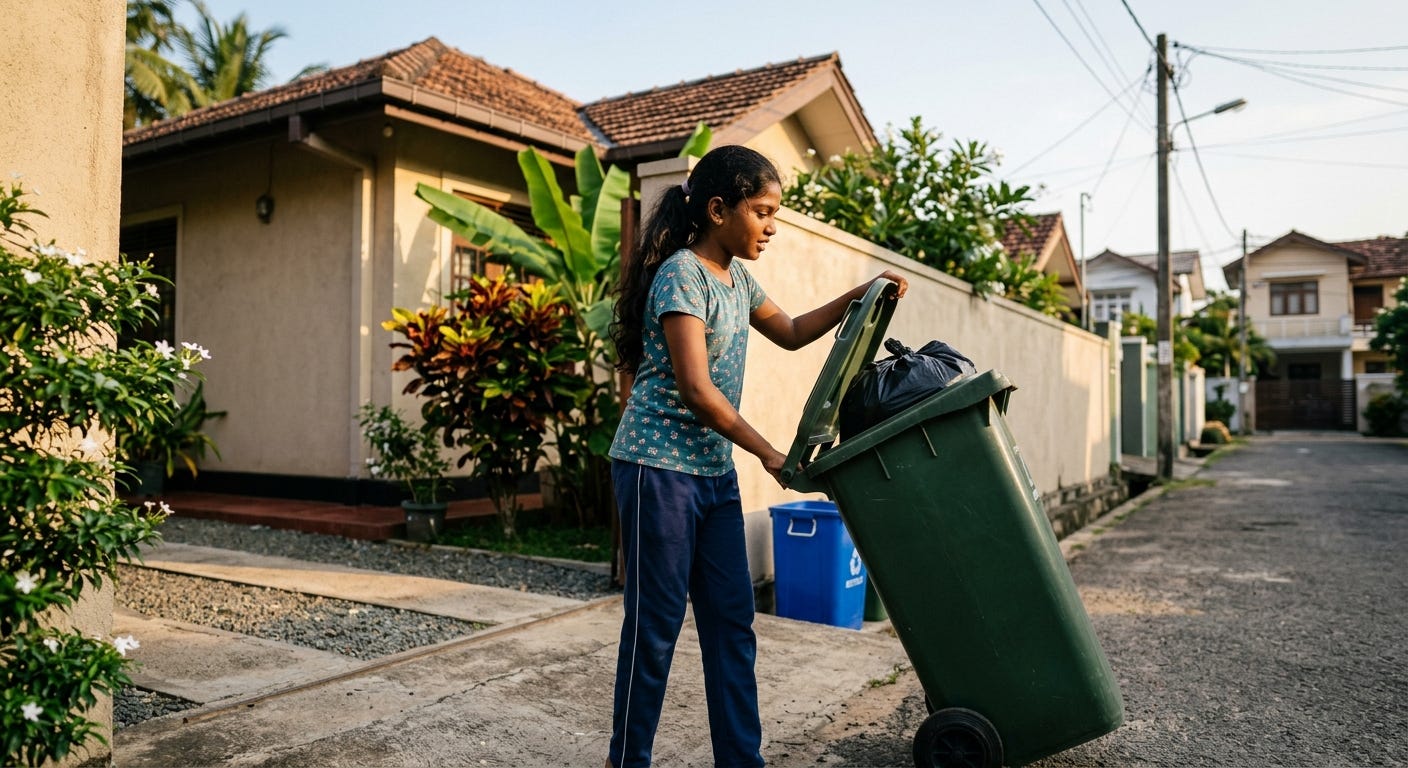
Leadership isn’t reserved for school captains, student council presidents, or sports captains, .
True leadership starts quietly at home—in how children and young people manage their responsibilities, take initiative, relate to others, communicate, and handle setbacks.
It’s the small actions repeated over time that develop true leadership skills and capabilities.
Here are ten practical ways to cultivate these lifelong capabilities through everyday family moments.
1. Give Real Responsibility at Home
Leadership begins with contribution.
Giving children meaningful household roles teaches them that their effort genuinely matters to the family unit.
When tasks are regular and necessary rather than arbitrary, kids learn reliability and take real pride in ownership.
Putting It Into Action: Instead of simply asking your child to “clean up,” give them complete ownership of a specific domain—such as being solely responsible for feeding the family pet each morning or packing their own lunchbox the night before school.
2. Practice Presentation and Clear Communication
Encourage your child to articulate their thoughts clearly and confidently.
Simple, low-stakes opportunities build the foundation for strong public and interpersonal communication.
Learning to express ideas clearly and make eye contact is a vital skill for any emerging leader.
Putting It Into Action: Have your child order their own food and make eye contact with the waiter at a restaurant, or ask them to introduce themselves and thank their coach at the end of practice.
3. Foster Emotional Intelligence
Leaders understand both their own emotions and those of others.
Help your child name their feelings when they face frustration, disappointment, or success.
Encouraging empathy teaches them to read social cues and respond to others with care and awareness.
Putting It Into Action: When a friend or sibling is upset, ask your child: “How do you think they felt when that happened, and what could we do to support them?”
4. Step Back to Let Them Problem-Solve
It is natural to want to fix things when children hit a snag, but jumping in too early robs them of the chance to lead.
Step back and allow your child to build resourcefulness, self-trust, and decision-making confidence under pressure.
Putting It Into Action: If your child forgets where they placed their library book or homework folder, resist finding it for them. Instead, ask guiding questions: “What was the last place you remember having it, and what’s your plan to search for it?”
5. Encourage Teamwork and Collaboration
Leadership is rarely a solo act. The best leaders work well with others.
Whether working on a family project, playing a team sport, or working on a school assignment, teach children to listen actively, share credit, and support team members towards a shared goal.
Putting It Into Action: Involve your kids in a collaborative family task, such as preparing a weekend meal together. Assign roles that require coordinating timing and sharing utensils with a sibling to finish dinner on time.
6. Build Organisational Habits
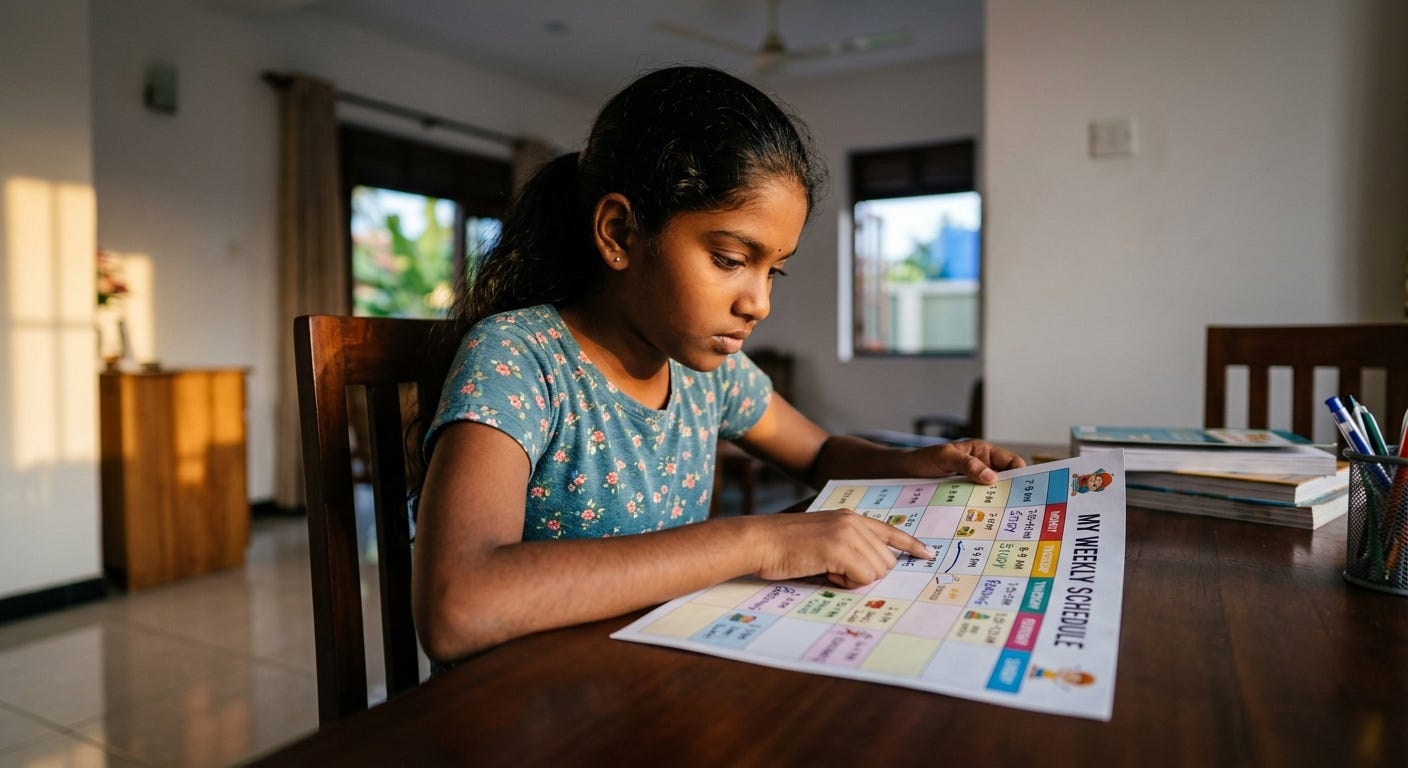
A key part of taking charge is managing one’s own time, space, and belongings.
Kids aren’t born with organisational skills. They develop them through modelling, explanation and practice.
The best organisational assistance you can give your child is the ability to structure their day, which gives them a sense of personal control and prepares them for greater independence.
Putting It Into Action: Create a simple morning or afternoon visual checklist together. Have them check off items independently—like putting away their shoes, packing their school bag, and setting out their uniform—before screen time or play.
7. Teach Accountability After Mistakes
Leadership requires taking responsibility when things don’t go as planned.
Normalising mistakes as natural learning moments helps children own their actions rather than shifting blame or making excuses.
Putting It Into Action: If your child spills a drink while rushing or breaks something by accident, guide them calmly to acknowledge it without shame: “Accidents happen. Let’s get the cloth and clean it up together so it’s taken care of.”
8. Involve Them in Family Decision-Making
Include your children in age-appropriate family choices.
Weighing options and considering others’ needs helps them understand trade-offs, budget constraints, and shared decision-making. This can be done formally through family meetings or informally by seeking input on simple matters, such as where to go on a family trip.
Putting It Into Action: Give your child a fixed budget or a set of parameters, and let them help plan a weekend family activity or choose two dinner options for the coming week.
9. Model and Praise Initiative
Notice and acknowledge when your child acts without being asked.
Pointing out self-direction reinforces that true leadership is about taking proactive initiative rather than waiting for instructions.
Putting It Into Action: When you notice your child filling up a water bottle for a sibling or putting away their coat without prompting, acknowledge it specifically: “I noticed you took the initiative to set the table before dinner—that showed great foresight and leadership.”
10. Encourage Reflection
Great leaders continually evaluate and learn.
At the end of a busy week or after completing a project, take a moment to reflect together so your child can internalise lessons and grow from every experience.
Putting It Into Action: During dinner or before bed, ask three simple reflection questions: “What was one thing that went really well today?”, “What was a bit tricky?”, and “What would you try differently next time?”
Finally
Building leadership in children isn’t about pushing them into the spotlight.
It’s about equipping them with the personal confidence, emotional grounding, and practical habits to navigate their world effectively.
By weaving these small practices into your daily family life, you give your child a
strong foundation to lead—first themselves, then others.
